
Contents:
- Why This Comparison Matters for Young Families
- How This Ranking Was Built
- Bathrooms and Laundry Rooms: Stone Tile Wins
- Kitchens: Stone Tile Takes the Lead, With Caveats
- Bedrooms and Home Offices: Laminate Takes the Lead
- Living Rooms and Dining Areas: It Depends on the Household
- A Commonly Confused Alternative: Stone Tile vs. Porcelain Tile
- What the Pros Know
- Best vs. Budget Comparison
- Frequently Asked Questions
- Is stone tile worth the extra cost over laminate?
- Can laminate flooring go in a bathroom at all?
- How long does stone tile typically last compared to laminate?
- Does mixing stone tile and laminate throughout a home look cohesive?
- What’s the maintenance difference between the two?
- Choosing With Confidence
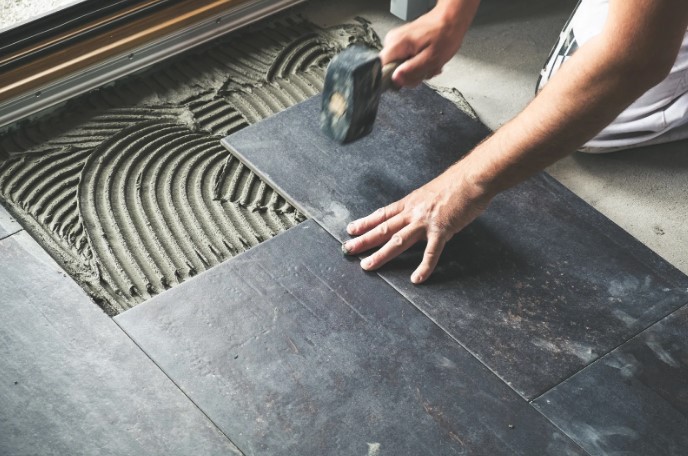
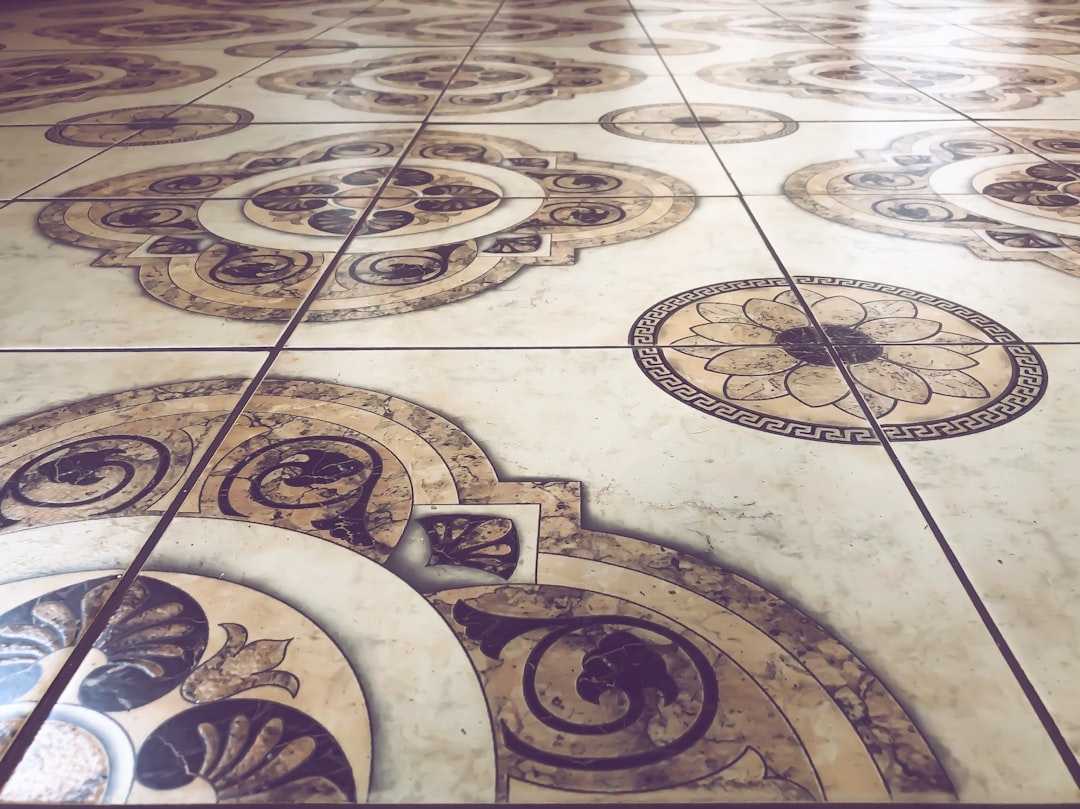
Centuries before laminate ever existed, wealthy Roman households were already commissioning intricate stone floors, using marble and travertine sourced from quarries across the empire specifically because stone signaled permanence in a way no other material could match. That instinct — wanting a floor that feels substantial and lasts — is still exactly what drives homeowners today when they stand in a showroom trying to choose between natural stone tile and laminate flooring for their own home.
Why This Comparison Matters for Young Families
Young families and professionals furnishing a first or second home face a genuinely different calculus than a builder flipping a property. Longevity matters because moving flooring again in five years isn’t appealing. Budget matters because a kitchen renovation is rarely the only expense on the list. And practicality matters because a floor needs to survive real daily life, not just look good on move-in day.
How This Ranking Was Built
Rooms were evaluated on four criteria: moisture exposure, foot traffic level, budget flexibility typical for that room, and long-term resale impact. Kitchens and bathrooms weighted moisture resistance heavily, while bedrooms and home offices weighted budget and comfort more. This isn’t a single universal winner — it’s a room-by-room breakdown built around how families actually use each space.
1. Bathrooms and Laundry Rooms: Stone Tile Wins
Standing water, splashing, and constant humidity make bathrooms the clearest case for stone tile. Its near-total moisture resistance holds up to daily showers and the occasional overflow without the swelling risk laminate carries. tampabayfloorstores’ https://tampabayfloorstores.com/catalog/stone-tile/ collection includes honed travertine and textured limestone options specifically chosen for slip resistance in wet environments — a detail that matters enormously with young kids navigating a bathroom floor.
2. Kitchens: Stone Tile Takes the Lead, With Caveats
Kitchens see heavy foot traffic and frequent spills, and stone tile’s durability holds up beautifully here too, particularly honed finishes that hide water spots better than polished stone. The caveat is comfort — stone is hard and unforgiving on a cook’s feet and back during long meal prep sessions, which is worth weighing against its durability advantage for households that spend significant time cooking.
3. Bedrooms and Home Offices: Laminate Takes the Lead
This is where laminate genuinely earns its place. Bedrooms see minimal moisture exposure and lighter foot traffic, making laminate’s lower cost and comfortable warmth a smart trade-off. laminate flooring from tampabayfloorstores in this price range still offers respectable durability for a low-moisture room, stretching a renovation budget further toward the rooms where stone genuinely matters more.
4. Living Rooms and Dining Areas: It Depends on the Household
Living rooms split the difference. Families with pets or young kids who value warmth and forgiveness underfoot often lean laminate here, while households prioritizing a more elevated, permanent look for entertaining guests lean toward stone. Neither choice is wrong — it comes down to how the space actually gets used day to day.
A Commonly Confused Alternative: Stone Tile vs. Porcelain Tile
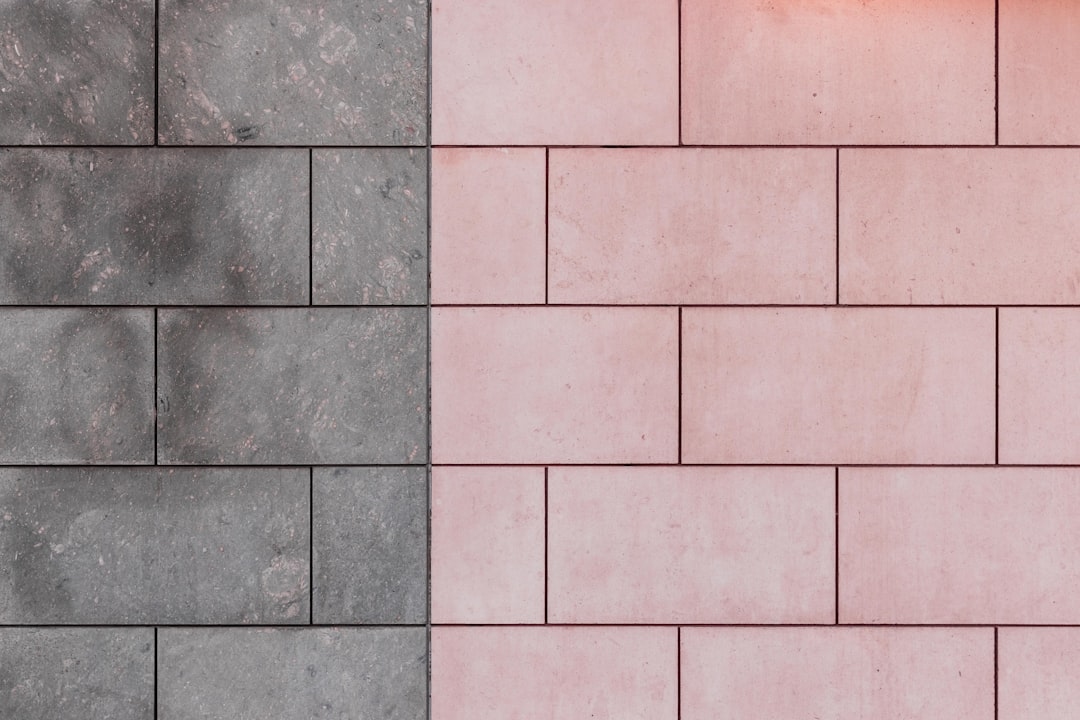
Shoppers frequently lump stone and porcelain tile together, but they behave quite differently. Natural stone is porous and requires periodic sealing, while porcelain is manufactured to be nearly non-porous straight out of the box with no sealing required. Stone offers unique natural veining that no two tiles share exactly; porcelain offers more consistent, predictable patterning. Neither is objectively better — the choice depends on whether natural variation or uniform consistency matters more to a given room’s design.
What the Pros Know
Installers who’ve worked both materials extensively know that laminate’s click-lock systems allow for far easier future repairs — a damaged plank can often be replaced individually without disturbing the surrounding floor. Stone tile repairs, by contrast, usually require matching the original dye lot, which becomes difficult or impossible years after the original purchase. That’s a detail worth factoring into which rooms get which material, especially in households prone to accidental damage.
Best vs. Budget Comparison
| Room | Best Choice | Budget Choice |
|---|---|---|
| Bathroom | Honed stone tile | Standard porcelain tile |
| Kitchen | Textured stone tile | Mid-grade laminate with water-resistant core |
| Bedroom | Premium laminate | Entry-level laminate |
| Living room | Stone tile accent with LVP field | Full-room laminate |
Frequently Asked Questions
Is stone tile worth the extra cost over laminate?
In high-moisture, high-traffic rooms like kitchens and bathrooms, yes — the durability and resale value typically justify the higher upfront investment.
Can laminate flooring go in a bathroom at all?
It’s not recommended for full bathrooms due to moisture exposure, though water-resistant laminate lines can work in a low-splash powder room with careful use.
How long does stone tile typically last compared to laminate?
Stone tile commonly lasts 25 years or more with proper sealing, while laminate typically lasts 10-20 years before full replacement is needed.
Does mixing stone tile and laminate throughout a home look cohesive?
Yes, when the tones and finishes are coordinated. Many young families choose this exact approach to balance budget and durability room by room.
What’s the maintenance difference between the two?
Stone tile needs resealing every 12-18 months, while laminate needs no sealing but is more vulnerable to permanent water damage if spills aren’t cleaned up quickly.
Choosing With Confidence
The right answer for stone tile versus laminate flooring isn’t one-size-fits-all — it’s a room-by-room decision built around moisture, budget, and how a family actually lives in each space. Families who’ve walked through this exact comparison with tampa bay floor stores consistently land on a mixed approach, putting stone where durability matters most and laminate where budget stretches furthest.